


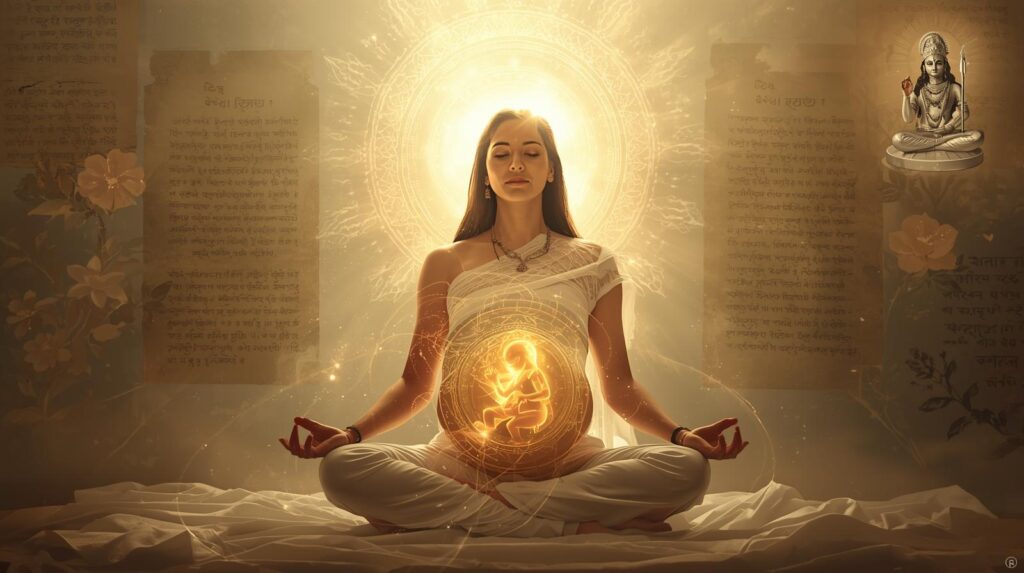
Introduction: What is Garbh Geeta and Why It Matters in Pregnancy
Pregnancy is a sacred journey—one that not only brings a new life into the world but also shapes the soul of that unborn child. The Garbh Geeta, a revered Vedic scripture, is a spiritual guide for expectant mothers and fathers that reveals the divine science of Garbh Sanskar. It teaches that a baby’s character, emotions, and intellect are deeply influenced by the thoughts, diet, music, and environment of the mother during pregnancy.
In modern times, as science begins to acknowledge the importance of prenatal emotional health, ancient Indian wisdom like Garbh Geeta offers an invaluable roadmap. Today, experts like Dr. Vishnu Mane and institutions such as Gyurveda Garbh Sanskar are bringing these age-old teachings back into modern prenatal care—combining Vedic rituals with scientific understanding for holistic pregnancy wellness.
The Origin and Meaning of Garbh Geeta
The Garbh Geeta finds its roots in ancient Indian scriptures, primarily the Mahabharata and Puranas. It is said to be a divine dialogue between the unborn Abhimanyu and his mother Subhadra, where the child learns the art of warfare while still in the womb. This story isn’t just mythological—it symbolizes how a mother’s mental state and knowledge directly influence her child’s learning even before birth.
The word “Garbh” means womb and “Geeta” means sacred song or divine teaching. Together, Garbh Geeta refers to “the song of the womb” — a philosophy that the fetus can receive impressions (sanskaras) and learn through the mother’s consciousness.
Learn more about how to do Garbh Sanskar at home here.
Teachings from the Garbh Geeta
The Garbh Geeta is filled with profound lessons for both parents. Some key teachings include:
- Purity of Thoughts: The mother’s mind acts as a mirror for the baby’s soul. Positive thoughts, prayers, and meditation purify the consciousness and nourish the fetus spiritually.
- Sattvik Diet: A diet rich in natural, plant-based, and sattvik foods enhances both physical and emotional well-being. It is said that food vibrations influence the child’s temperament.
- Sound and Music: Vedic chants, mantras, and soft classical music calm the mother’s nervous system and positively stimulate the developing brain of the child.
- Connection with Nature: Spending time in nature aligns the mother with the rhythms of the universe, helping her remain grounded and peaceful.
- Role of the Father: The Garbh Geeta emphasizes the father’s emotional support. His calmness, presence, and positive energy equally contribute to the baby’s holistic development.
Garbh Geeta and Modern Science
Modern neuroscience supports many of the ideas mentioned in the Garbh Geeta. Research shows that a fetus can respond to sounds by the 16th week and can feel emotions transmitted through maternal hormones. Stress, anxiety, and fear during pregnancy can affect the baby’s development, while calmness and joy can enhance cognitive and emotional growth.
This alignment between ancient wisdom and modern science proves that Garbh Geeta was far ahead of its time. Practices like guided meditation, affirmations, and visualization during pregnancy—now popular in prenatal psychology—were described thousands of years ago in these scriptures.
“When the mother is peaceful, the baby learns peace even before it is born.” — Garbh Geeta Principle
How to Practice Garbh Geeta in Daily Life
Applying the teachings of Garbh Geeta in modern life doesn’t require elaborate rituals—it’s about mindfulness and intention. Here’s how you can incorporate it:
🪶 1. Morning Mantra Chanting
Start your day with simple Garbh Sanskar mantras such as Om Shri Garbhadhe Namah or Gayatri Mantra. Chanting harmonizes your energy and sets a peaceful tone for the day.
🪶 2. Positive Visualization
Spend 10 minutes visualizing your baby as happy, healthy, and radiant. Visualization programs the subconscious mind and sends positive emotional frequencies to the womb.
🪶 3. Sattvik Food Routine
Include fresh fruits, ghee, milk, and herbal drinks like Shatavari or Ashwagandha milk under expert supervision. Avoid junk, processed, and overly spicy foods as they can disturb your doshas.
🪶 4. Music Therapy
Play soft flute music, classical ragas, or Vedic chants. This practice, known as Nada Yoga, enhances neural development and balances emotions.
🪶 5. Connection with Nature and Spiritual Reading
Spend some quiet time in the morning sunlight or garden while reading spiritual texts such as Bhagavad Geeta or Garbh Geeta. These vibrations shape the baby’s subtle mind.
Garbh Geeta and Emotional Bonding
The bond between mother and child is not merely physical—it’s spiritual. Garbh Geeta teaches that a child begins forming emotional patterns inside the womb. Mothers who stay cheerful, meditate, and express gratitude often have babies who are calmer and more emotionally balanced.
Fathers, too, play a crucial role. Regularly talking to the baby, singing lullabies, or gently placing hands on the mother’s belly creates a deep emotional resonance. According to Garbh Geeta, this communication strengthens the baby’s confidence and memory after birth.
Dr. Vishnu Mane’s Contribution to Modern Garbh Geeta Practices
Dr. Vishnu Mane, a renowned Garbh Sanskar expert, has beautifully blended traditional Garbh Geeta teachings with modern Gyurveda Garbh Sanskar techniques. His programs, as featured on Garbhsanskar Challenge, focus on:
- Mind training for expecting mothers
- Music therapy and guided meditation
- Prenatal yoga and mantra sadhana
- Lifestyle routines based on Ayurvedic wisdom
Dr. Mane’s mission is to make Garbh Sanskar practical, scientific, and accessible to every modern couple—transforming pregnancy into a divine experience rather than a medical condition.
Real-Life Impact of Practicing Garbh Geeta
Thousands of mothers in India have shared their experiences of how Garbh Geeta practices changed their pregnancy journeys.
- Many reported fewer mood swings and reduced stress.
- Babies showed better sleep cycles and stronger immunity post-birth.
- Families felt more spiritually connected and joyful during the nine months.
“When I listened to Garbh Geeta mantras and practiced meditation daily, I felt my baby respond with gentle kicks whenever I smiled or sang. It was magical!” — Ankita, Pune
Such testimonials reinforce that Garbh Geeta isn’t just philosophy—it’s an experience that bridges body, mind, and soul.
External References and Further Reading
For readers interested in diving deeper into the scientific and philosophical aspects of prenatal development:
- National Library of Medicine: Fetal learning and maternal influence
- Ayurveda and Garbh Sanskar insights – Ayurveda Research Portal
- Bhagavad Geeta teachings on consciousness and mind
Conclusion: The Song of the Womb Lives On
The Garbh Geeta is not just an ancient scripture—it is a living philosophy that connects the science of consciousness with the miracle of motherhood. In today’s fast-paced world, revisiting this wisdom can help mothers create calm, aware, and emotionally balanced children who carry peace within them.
By practicing Garbh Geeta in pregnancy, you nurture not only a body but a soul—a future leader, artist, or visionary who can shape a more mindful world.
✨ Explore the complete Garbh Sanskar course by Dr. Vishnu Mane on garbhsanskarchallenge.com and embrace this divine journey of motherhood.